
Living with diabetes means paying close attention to things that most people take for granted—from the carbohydrate count in a meal to the subtle sensations in your fingertips. However, one of the most critical aspects of daily management often happens right under your nose, or more accurately, under your toes. If you are managing this condition, you’ve likely asked yourself: Can diabetics wear regular shoes?
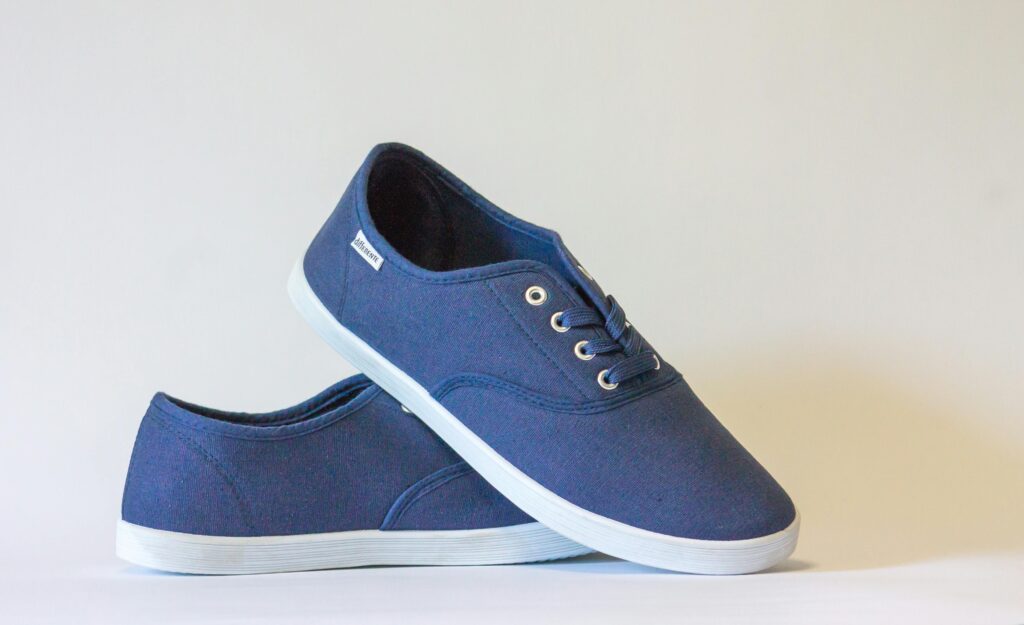
The short answer is yes, but with significant caveats. While you don’t necessarily need specialized footwear the moment you are diagnosed, your choice of shoes becomes a vital part of your healthcare routine. Understanding what are diabetic shoes and how they differ from the average sneakers on a department store shelf can be the difference between staying active and facing serious complications.
The Risks of “Regular” Footwear
To understand why standard shoes can be problematic, we first have to look at how diabetes affects the feet. Over time, high blood sugar can lead to peripheral neuropathy (nerve damage) and poor circulation. This means you might not feel a small pebble in your shoe, a tight toe box, or a blister forming.

Regular shoes are often designed for aesthetics or general athletic performance, not for the specific “high-risk” environment of a diabetic foot. They may have narrow toe boxes that pinch the forefoot or interior seams that rub against sensitive skin. For someone with normal sensation, these are minor annoyances. For a diabetic, a small rub can turn into an ulcer, and because of poor circulation, that ulcer can struggle to heal.
What are Diabetic Shoes?
When people ask what are diabetic shoes, they are often looking for a technical definition. Also known as therapeutic shoes, these are specifically engineered to reduce the risk of skin breakdown. Unlike regular shoes, they are built with extra depth to accommodate custom orthotics and are made from soft, protective materials.
A brand like Fitville focuses on this intersection of comfort and protection. Their designs often prioritize a wide toe box, which is the “Golden Rule” for diabetic foot health. By giving the toes room to spread, you eliminate the friction that causes calluses and blisters.
Can Diabetics Wear Regular Shoes?
The answer depends entirely on the current health of your feet. If you have full sensation, no history of foot ulcers, and excellent circulation, you can often wear high-quality regular shoes. However, “regular” in this context doesn’t mean cheap or poorly constructed. You should still be looking for professional-grade footwear that mimics the benefits of therapeutic designs.
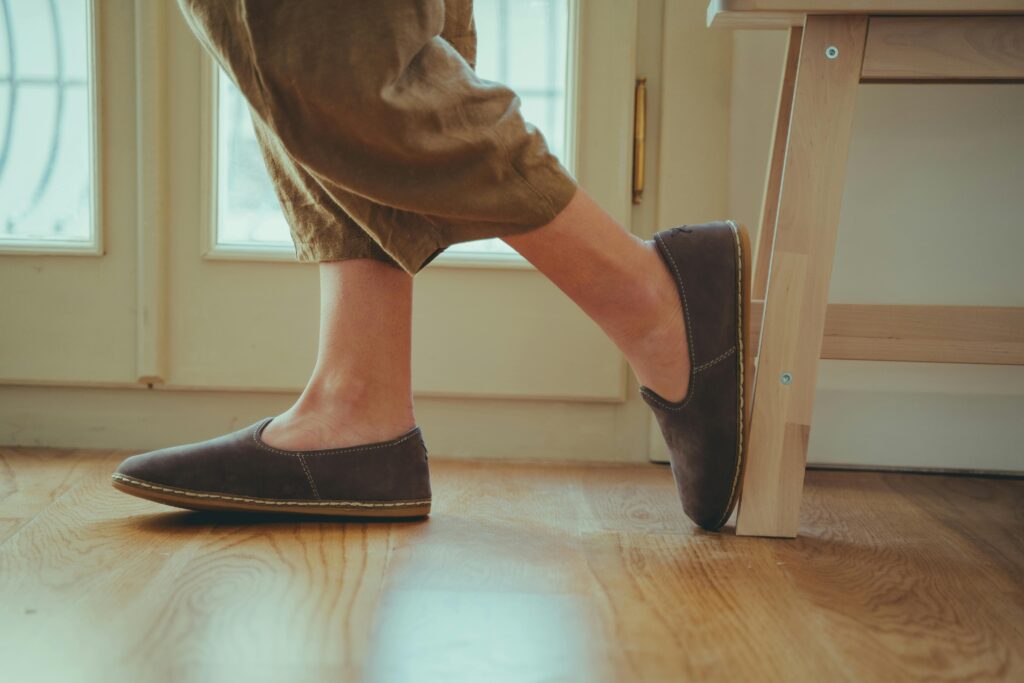
If you choose to wear regular shoes, they must meet strict criteria. You should avoid pointed toes, high heels, or shoes made of non-breathable materials like plastic or heavy synthetics. Many people find that Fitville provides a perfect middle ground—offering the style of a regular sneaker with the anatomical benefits required for foot health.
What to Look For: The Checklist
When shopping for shoes for diabetics, whether they are specialized or high-end regular shoes, keep these four factors in mind:
- Wide and Deep Toe Box: Your toes should never touch the front or the sides of the shoe. There should be ample “wiggle room” to prevent pressure points.
- Seamless Interior: Run your hand inside the shoe. If you feel thick seams or rough edges, put it back. You want a smooth, padded lining that won’t irritate the skin.
- Breathability: Leather, suede, or advanced mesh are ideal. They allow moisture to escape, keeping the foot dry and reducing the risk of fungal infections.
- Adjustable Closures: Laces or Velcro straps allow you to adjust the fit if your feet swell throughout the day, a common occurrence for many diabetics.
The Importance of Support and Cushioning
Regular shoes often lack the structural integrity needed to protect a diabetic foot from the impact of walking. Look for a firm heel counter (the back of the shoe) to prevent your foot from sliding around. A cushioned sole is also non-negotiable. It acts as a shock absorber, protecting the joints and the bottom of the foot from repetitive stress.

This is where specialized brands really shine. For instance, Fitville utilizes advanced sole technology designed to distribute weight evenly across the foot. This prevents “hot spots”—areas of high pressure that are most susceptible to developing ulcers.
Why Quality Matters
It can be tempting to grab a cheap pair of shoes for a quick walk, but for a diabetic, the “cost” of a shoe isn’t just the price tag. It’s the protection it provides. Investing in high-quality shoes for diabetics is a form of preventative medicine.
If you look at the collections from Fitville, you’ll notice they emphasize “Ergonomic Comfort.” This isn’t just a marketing buzzword; it’s a design philosophy that respects the anatomy of the foot. By choosing shoes that are built with this level of intentionality, you are significantly lowering your risk of long-term complications.
Making the Transition
If you are moving from regular shoes to more supportive footwear, do it gradually. Even the best shoes for diabetics need a break-in period. Wear them for an hour or two at a time and check your feet immediately afterward for any signs of redness or irritation.

Brands like Fitville make this transition easier by creating shoes that don’t look like “medical devices.” You can get the wide fit and the protective cushioning you need without sacrificing your personal style.
Final Thoughts: Your Feet, Your Freedom
Ultimately, the goal of choosing the right footwear is to keep you moving. Diabetes shouldn’t mean the end of your daily walks or your active lifestyle. By understanding the risks of regular shoes and knowing exactly what to look for in terms of fit and material, you can protect your feet and maintain your independence.

Whether you opt for a high-quality regular shoe or a specialized design from Fitville, the priority is always the same: a perfect fit, zero friction, and maximum support. Treat your shoes as an essential part of your diabetes management kit, and your feet will thank you for years to come.